

The start of a new academic year is a busy time for any school, college or university.
New pupils are finding their way around, parents and carers are arriving for meetings and events, staff may be working in unfamiliar areas and visitors need to know exactly where to go.
With the school year now well underway, it’s a good time for schools to take a fresh look at their signage and consider whether it’s doing everything it needs to do.
Effective signage is about so much more than displaying a school name or pointing people towards reception, though. It’s about making a site easier to navigate, supporting security, improving accessibility and creating a welcoming first impression.
With that in mind, here are some key considerations for schools reviewing their signage this new academic year.
Start with the visitor journey
Staff and pupils who’ve been at a school for years know the site without even thinking about it, but visitors don’t have that familiarity.
A parent arriving for their child’s first meeting, a prospective pupil and their family attending an open day or a contractor visiting for the first time all need clear information to help them find their way around.
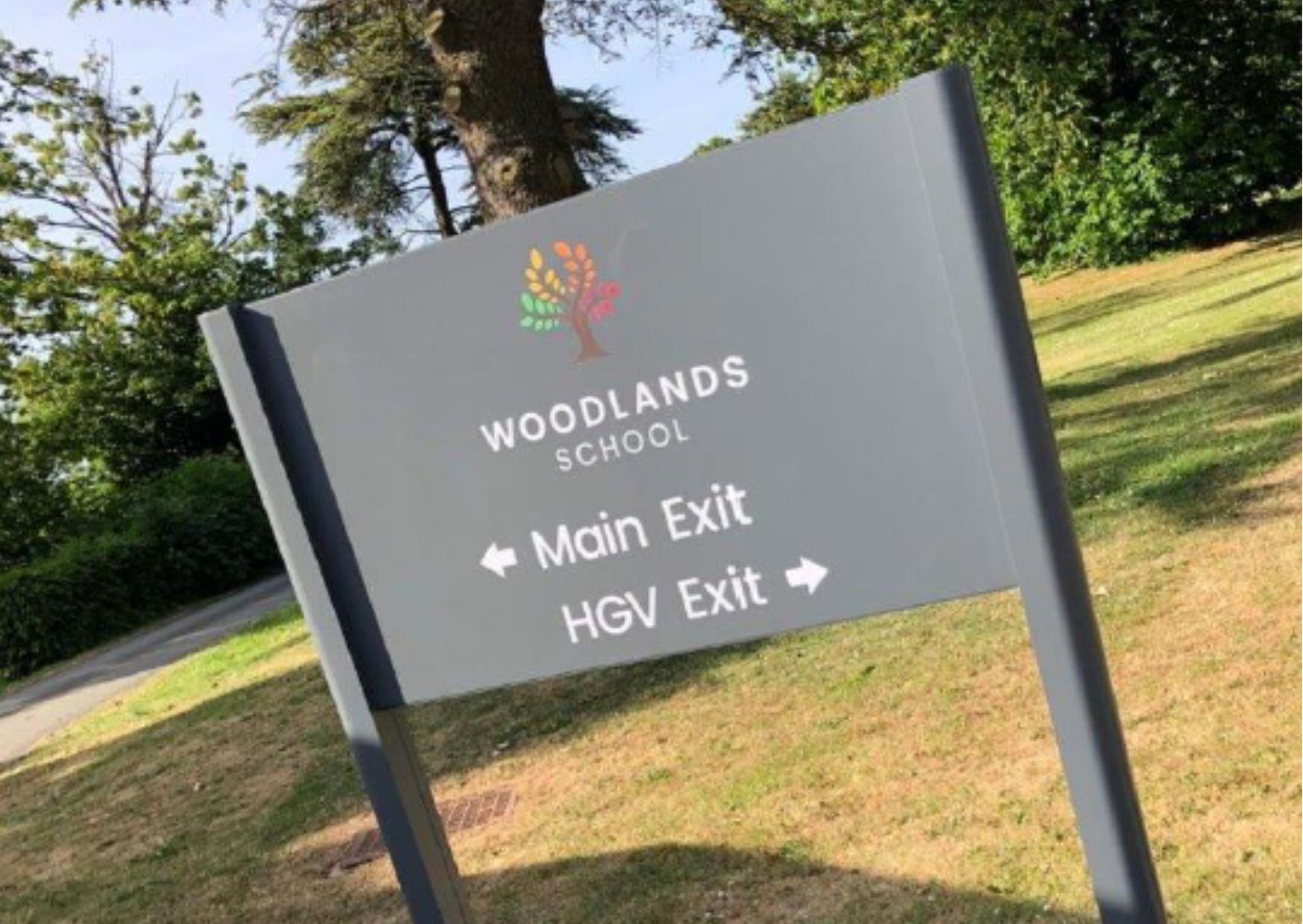
Schools should consider the entire journey from the very first moment someone arrives at the site. Is the main entrance obvious? Can visitors immediately identify reception? Is parking clearly indicated? Once inside, are there straightforward directions to key areas such as classrooms, offices, sports facilities and toilets?
Walking around the school as though you were a first-time visitor can be a useful way of identifying gaps.
This outside perspective can reveal confusing routes, signs that are easy to miss or areas where extra directional information would make a significant difference.
Think about security as well as wayfinding
School signage also has an important role to play in helping to manage access to a site.
The Department for Education’s current school and college security guidance emphasises the importance of effective access control and states that visitors should initially report to the school office or reception before being admitted further into the premises.
Clear signs directing visitors to the correct entrance and reception area can therefore support a school’s wider security procedures.
Also, depending on the layout of the site, signage might be needed to distinguish staff, visitor and delivery access or to make it clear when an entrance isn’t for general use.
The key is to make the route obvious without overwhelming visitors with too much information.
Make accessibility a priority
A school is often used by a diverse community, so signage needs to be easy to understand and read by as many people as possible.
This means considering colour contrast, type size, positioning, lighting and the amount of information presented on each sign.
The government’s current guidance on inclusive education estates highlights the importance of accessible wayfinding and consistent signage. It recommends considering factors including high-contrast text and backgrounds, pictorial systems, consistent symbols, clear visual wayfinding cues and matt finishes where appropriate.
There are practical benefits to this approach. Clear signs with good contrast and straightforward wording are much easier to understand at a quick glance, while consistent symbols and sign formats can help people navigate an unfamiliar environment with greater confidence.
Don’t forget external signage
Signage should work just as effectively outside the school buildings as it does inside them. Large sites usually have multiple entrances, separate buildings, sports areas, car parks and pedestrian routes, which makes external wayfinding especially important.
Traffic and pedestrian routes should be clearly identified, using signs and markings to show people exactly where they should go.
HSE guidance recommends clear signage for routes used by drivers and pedestrians and stresses that signs should be positioned so people have enough time to see and understand them before reaching a potential hazard.
This is particularly relevant during busy arrival and collection periods, when large numbers of people and vehicles may be moving around the site at the same time.
Keep branding consistent
Signage is also one of the most visible expressions of a school’s identity.
From the main entrance and reception through to classrooms, sports facilities and communal areas, signs should feel as though they belong to the same environment rather than being a random collection of visuals.
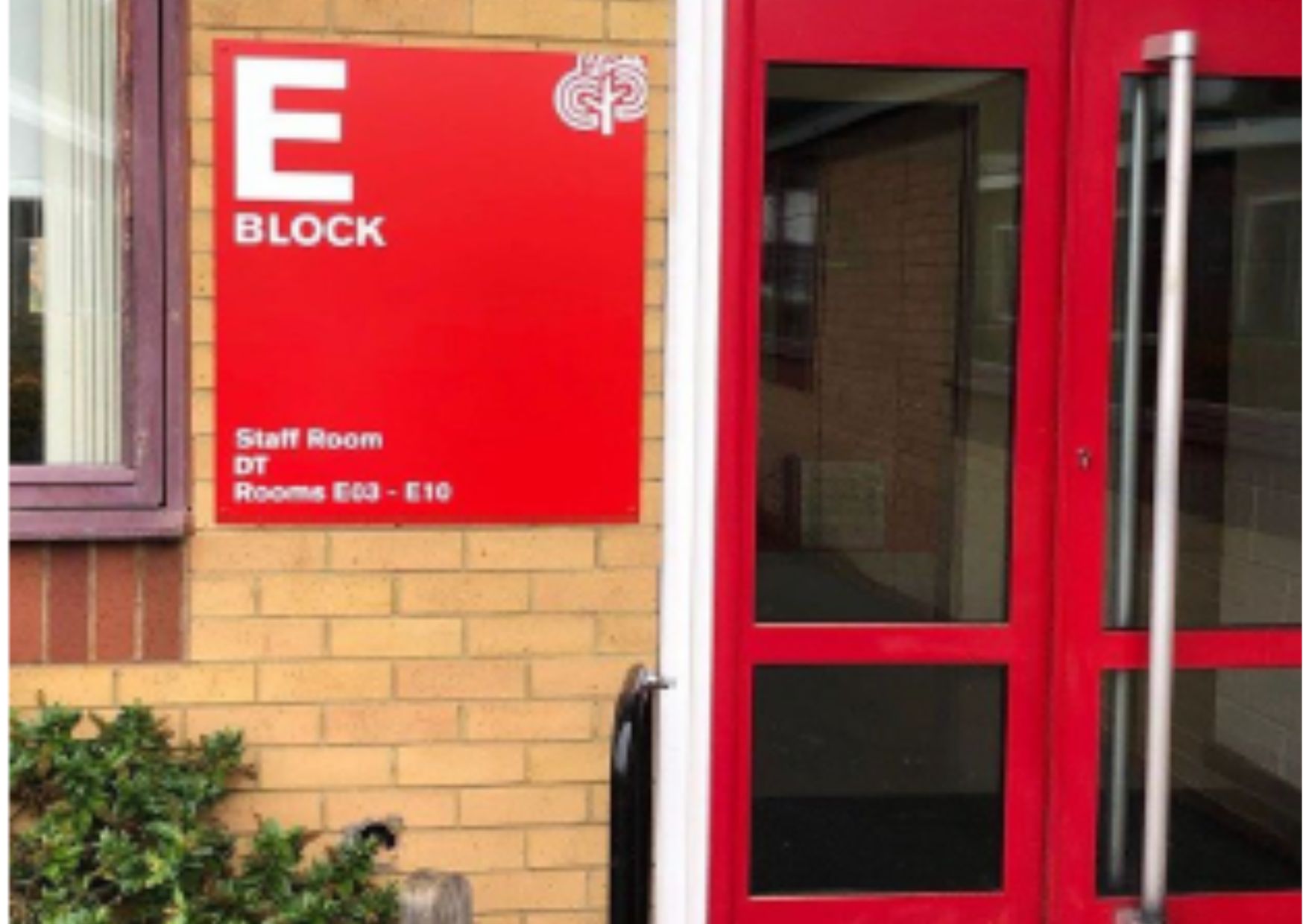
This is most important for schools who are part of multi-academy trusts, where consistency across different sites helps to establish a recognisable identity.
Having said that, consistency doesn’t necessarily mean every school needs to look identical; signage can incorporate the school’s individual character while still following agreed branding principles.
Good design should also resist the temptation to put too much information onto one sign.
Clear, concise messages are obviously easier to understand, while a cluttered sign can make it much harder for people to pick out the information they need.
Review safety signage
The start of a new school year is always a great opportunity to check your existing safety signage too.
Over time, signs can become damaged, faded or obscured, especially outdoors where they’re exposed to harsh weather conditions, while changes to rooms, routes or facilities can leave old information inaccurate.
HSE guidance states that safety signs should be clear and legible and used where they’re needed to address significant risks. It also advises against excessive signage, as too many signs can cause confusion.
Emergency exits, fire-fighting equipment, first aid facilities and restricted areas should all be clearly identified, and any signs that are no longer relevant should be removed rather than simply adding more signs around them.
Consider the character of the school
Finally, signage should work with the environment in which it’s being installed.
A contemporary sign system may suit a modern school building, while a more traditional design could be appropriate for an older or heritage setting.
Schools also need to think about practical factors such as the materials used, the position of signs and how they’ll withstand everyday use and the elements.
Listed buildings and sensitive architectural environments can present additional challenges, but signage doesn’t have to compromise a building’s character to do its job.
Is your signage ready for the year ahead?
With the new academic year now underway, there’s no better time to look at your school through the eyes of someone who’s never visited before.
From the first sign at the entrance to the directions inside the building, every element should help people reach their destination safely, confidently and efficiently.
Whether your school needs a few replacement signs, an updated wayfinding system or a complete signage refresh after a refurbishment or rebrand, a professional site survey can help you identify what’s needed and where improvements could make the biggest difference.
Good school signage should basically do three things: help people find their way, support a safe and accessible environment and reflect the identity of the school.
If you get those three elements right, it makes a surprisingly big difference to the experience of everyone who uses your site.
Need our help?
Over the last 25 years, Signs Now has become a trusted name in the creation and installation of interior and exterior signage for educational institutions across the UK.
In that time, we’ve built an impressive portfolio, working with nurseries, primary and secondary schools, private institutions, academies, colleges and universities.
Our reach extends across the whole of the UK, from the South Coast up to Scotland, with a dedicated team covering every region of the country. This breadth of experience means that we understand the unique challenges and opportunities that come with signage in the education sector.
For more information, download our latest school signage brochure, browse our recent projects or get in touch with our team to arrange a visit.